Introduction
In a period where health emergency situations can strike at any moment, the importance of immediate and reliable reaction can not be overemphasized. Public defibrillators are essential in this regard, changing areas right into equipped entities with the ability of conserving lives. Think of seeing an individual collapse from sudden heart attack (SCA); knowing how to use a public defibrillator might suggest the difference in between life and death. This article will certainly dig deep right into the globe of public defibrillator usage, exploring its relevance, protocols, and just how areas can come together to enhance survival rates Perth First Aid during critical moments.
Public Defibrillator Usage: Empowering Neighborhoods to Conserve Lives
Public defibrillators are devices designed to deliver an electric shock to the heart during dangerous situations, like SCA. The accessibility of these tools in public areas such as parks, malls, and airports has a profound impact on survival prices. Quick accessibility to a defibrillator can increase and even triple a person's opportunity of survival when they experience heart attack. This section will certainly check out just how equipping neighborhoods with expertise concerning public defibrillator use can transform onlookers into lifesavers.
Understanding Abrupt Cardiac Arrest
Sudden cardiac arrest is a sudden loss of heart function, causing cessation of blood flow to crucial organs. It can take place without caution and is commonly deadly otherwise treated immediately.
Signs and Symptoms of Sudden Cardiac Arrest
- Loss of Consciousness: The person may instantly break down or become unresponsive. Absence of Breathing: A lack of normal breathing indicates instant activity is required. No Pulse: Monitoring responsiveness and pulse is crucial for identifying the following steps.
The Duty of Defibrillators in Emergency Response
Defibrillators work as vital devices in emergency situation clinical feedback by bring back regular heart rhythms during SCA episodes.
Types of Defibrillators
Automated Outside Defibrillators (AEDs): Made for usage by laypeople; these gadgets offer voice prompts for detailed instructions. Manual Defibrillators: Utilized by experienced experts calling for advanced training.Basic vs Advanced Life Support
Understanding the difference in between basic life support (BLS) and progressed life support (ALS) is critical when reviewing public defibrillator usage.

Basic Life Assistance (BLS)
BLS consists of essential strategies such as:

- Chest compressions Rescue breaths Use of AEDs
Advanced Life Support (ALS)
ALS encompasses more innovative procedures executed by healthcare professionals, including:
- Administration of medications Advanced air passage management
Checking Responsiveness: The Primary Step in CPR
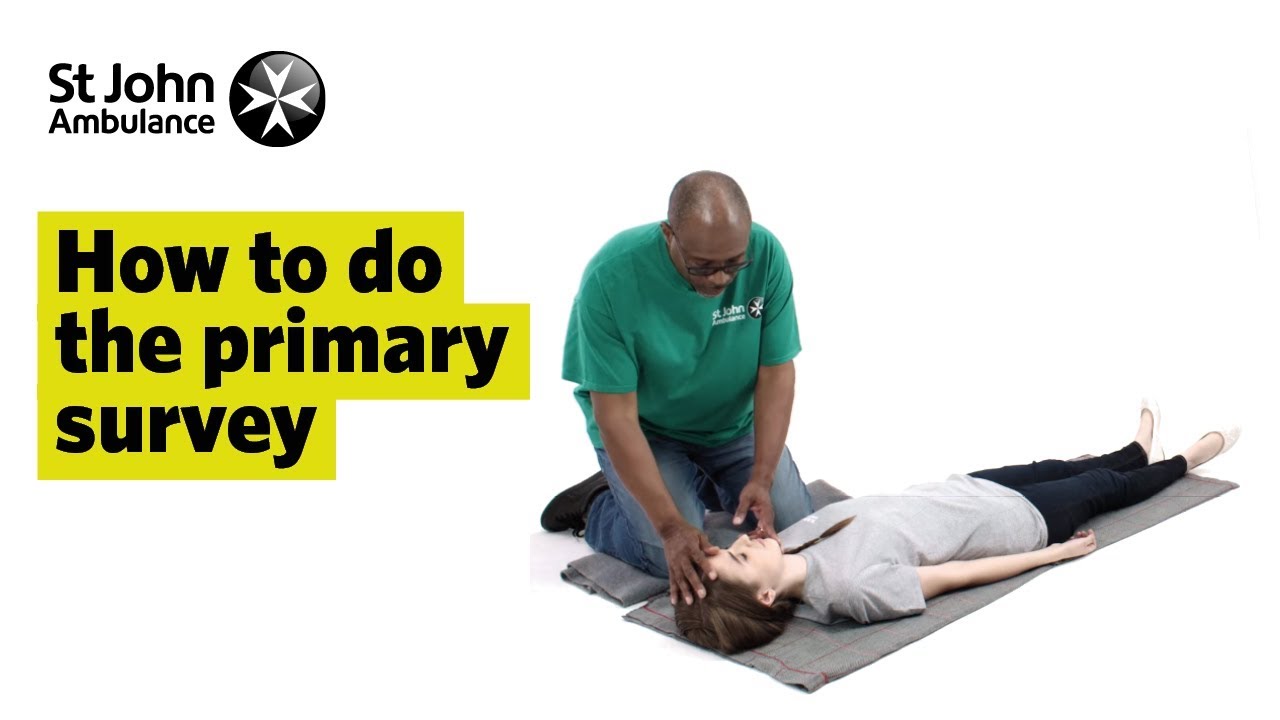
Upon encountering somebody that appears unresponsive, examining responsiveness is paramount.
How to Examine Responsiveness
Gently drink the person and yell loudly. Assess for any kind of motion or verbal response. If there's no response, call emergency solutions immediately.Hospital Codes and Procedures Throughout Heart Emergencies
Hospitals adhere to certain codes when responding to cardiac emergencies that guide health care experts on just how to act promptly and effectively.
Common Hospital Codes
- Code Blue: Suggests an adult client needing resuscitation. Code Pink: Pertains especially to pediatric emergencies.
Identifying No Breathing: Secret Indicators
Determining whether a casualty is taking a breath can considerably affect subsequent activities taken.
Indicators of No Breathing
- Absence of breast surge Lack of audible breath sounds Unresponsiveness when attempting rescue breaths
Taking Activates Compressions: Significance in CPR
Performing top notch breast compressions is important throughout mouth-to-mouth resuscitation; rotating individuals assists maintain efficiency over time.
Best Practices for Taking Turns on Compressions
Ensure compressions are continual without interruption. Switch roles every 2 minutes or after 5 cycles (30 compressions complied with by 2 breaths). Maintain composure; exhaustion results in reduce compression deepness which endangers effectiveness.Lower Compression Deepness vs Appropriate Technique
Effective mouth-to-mouth resuscitation needs maintaining ample compression depth; also superficial compressions decrease blood flow efficacy.
Optimal Compression Depth
For grownups:
- At least 2 inches (5 centimeters)
For youngsters:
- About 1/3 the deepness of the chest
Slow Compression Price and Its Implications
A sluggish compression price can restrain blood flow during CPR, making it crucial for rescuers to adhere strictly to advised guidelines.
Recommended Compression Rate
At the very least 100-- 120 compressions per minute is taken into consideration optimum for preserving blood circulation throughout heart attack situations.
Maintaining Calmness During Emergencies
It's easy to worry in high-pressure scenarios yet maintaining composure can drastically boost results when using a public defibrillator.
Tips for Staying Calm
- Focus on your training; recall previous BLS certification courses. Take deep breaths before approaching a casualty. Utilize AED's voice advice if uncertain concerning procedures.
Checking Casualty's Breathing After First Assessment
After confirming unresponsiveness, inspecting the casualty's breathing once again post-compressions offers understanding right into their problem before deploying an AED.
How To Re-check Breathing:
Place your ear near the target's mouth while taking a look at their chest. Listen for breath appears while looking for breast movement.The Impact of Neighborhood Training Programs on Survival Rates
Communities furnished with training programs considerably raise survival rates from SCA events via extensive recognition and preparedness initiatives targeted at enlightening residents concerning emergency reaction protocols including public defibrillator usage.
Benefits Include:
- Increased readiness among citizens Decreased time till first shock delivery Higher total area resilience in the direction of emergencies
Getting BLS Qualification: A Lifesaving Decision
Acquiring Basic Life Support accreditation encourages people with essential skills required throughout emergencies including cardiac arrest circumstances where public defibrillator usage may be necessary.
Steps To Obtain BLS Qualification:
Enroll in an accredited program through companies like the American Heart Organization or Red Cross. Complete both theoretical discovering components and hands-on method sessions. Pass written exams in addition to sensible evaluations demonstrating expertise in mouth-to-mouth resuscitation techniques consisting of AED use skills!Public Recognition Projects on Defibrillator Locations
Most people continue to be uninformed that several public areas have accessible defibrillators offered close by! Increasing understanding around their areas advertises timely treatment during dilemmas-- potentially conserving lives!
Strategies Include:
Mapping out all community-defib websites through city government internet sites or apps! Conducting mobile workshops showcasing proper usage approaches together with hands-on practice opportunities! 3 Involving local companies & & institutions with collaborations encouraging cooperation in the direction of improving regional security measures!FAQs Regarding Public Defibrillator Usage
What is a public defibrillator?- A public defibrillator refers especially to Automated External Defibrillators (AEDs) located within easy gain access to points throughout area settings planned mostly for usage by laymans trained sufficiently through educational programs like BLS certification!
- Turn it ON following verbal prompts given! Attach pads according instructions offered while guaranteeing everyone stands clear! Press shock button just once motivated accordingly ensuring rhythm restoration occurs efficiently after that resuming typical BLS methods until emergency services arrive!
- While training isn't lawfully required-- recognizing fundamental functions boosts confidence making it possible for swift application under duress thus enhancing prospective positive outcome percents dramatically!
- Yes! Any individual qualified enough needs to feel encouraged recognizing assistance arrives promptly awaits them! Experience acquired by means of community training courses boosts general preparedness significantly!
5 What takes place if I slip up while making use of a public defib?
- No liability exists bordering unintentional shocks provided incorrectly since these tools keep an eye on heart beat rhythm autonomously preventing unplanned injury taking place accidentally-- it's better secure than sorry!
6 How typically should we examine our neighborhood AEDs' functionality?
- Regular regular monthly checks make certain batteries continue to be charged operating appropriately while pads continue to be within expiration days-- this positive technique guarantees readiness whenever required most critically!
Conclusion
In verdict, equipping communities with understanding concerning public defibrillator usage is not just useful-- it's vital! By comprehending how these devices work together with basic life support techniques like examining responsiveness or recognizing no breathing situations-- we equip ourselves prepared take charge in the middle of alarming conditions potentially saving lives right outside our doors everyday circumstances unravel daily! With increased understanding comes better opportunities survival-- the moment invest discovering CPR Training in Perth issues immeasurably towards developing much safer atmospheres fostering hope bring back faith humanity bravely facing obstacles with each other jointly united purpose-driven missions!
First Aid Pro | First Aid Course Perth (RTO 31124) is one of Australia’s leading providers of accredited First Aid and CPR training. We specialise in Basic Life Support, CPR & First Aid, NDIS HISS, AED, and many other accredited courses. Our training is both convenient and comprehensive, combining online and face-to-face learning options to suit your needs. Keep your first aid certificates up to date with same-day certification upon completion. Plus, find a lower price, and we’ll instantly beat it by 10%! Conveniently located at 195 Adelaide Terrace, Perth, WA 6004. Visit our website for course dates, directions and parking details.
First Aid Pro | First Aid Course Perth (RTO 31124) is a nationally recognised leader in First Aid and CPR training. Our Perth training centre delivers accredited courses including CPR, Basic Life Support, AED, NDIS High Intensity Support Skills (HISS), and comprehensive First Aid certifications. We make training flexible and convenient with a blend of online learning and practical, face-to-face classes. Get same-day certification so you can stay compliant and confident in emergencies. Plus, with our Price Beat Guarantee, if you find a lower price, we’ll beat it by 10% on the spot. Located at 195 Adelaide Terrace, Perth, WA 6004, our venue is central, easy to access, and designed for a great learning experience. Visit our website to check course dates, directions, and parking details.